Surgery Patient journey Dr. Z Results Patient stories Blog Contact Talk to the team

Hand Fat Grafting

Your hands can be part of the same thoughtful plan as your face.

Schedule my consultation
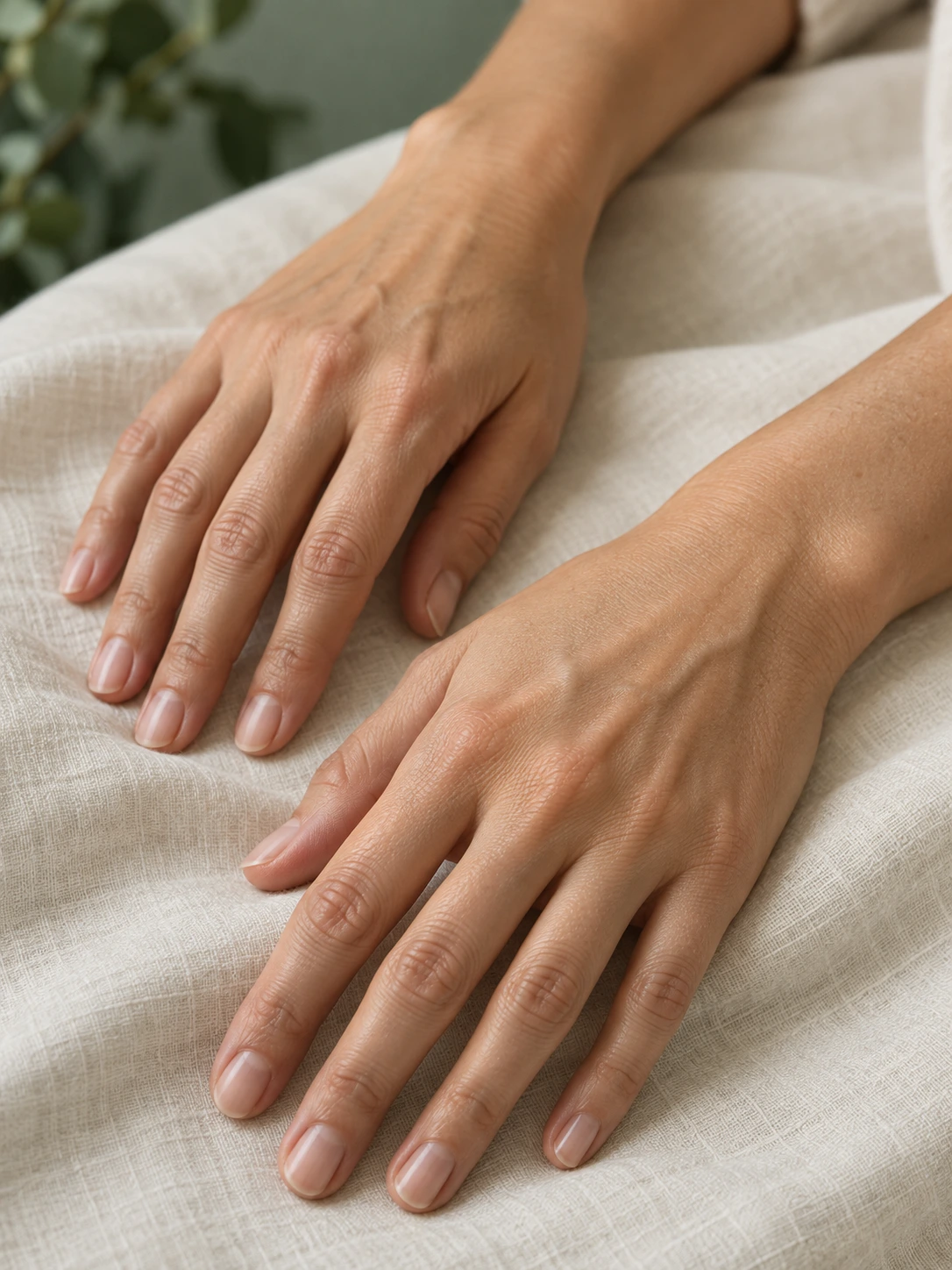
Hand fat grafting — illustrative hands with natural skin texture and softly visible veins and tendons

Illustrative image; not a patient or surgical result.

Explore

What is hand fat grafting?

Hand fat grafting transfers your own fat to the backs of the hands to replace lost volume and soften the prominence of veins and tendons. Fat is collected from a selected donor area, prepared, and distributed in appropriate tissue planes. The procedure does not remove veins, treat every skin spot, or address an undiagnosed hand condition. Some transferred volume may be absorbed, so the early swollen appearance is not the final result.

  • The main goal is fuller, more even coverage over the underlying structures.
  • The donor area needs care as well as the hands.
  • Retention varies, and a further session may sometimes be considered.
  • If combined with facial surgery, practical help during recovery should be arranged in advance.

What would you like to soften?

Perhaps your tendons seem more prominent than they used to, or your veins draw attention when you look at a photograph. You may also feel that your hands no longer match the way you see your face. I begin by asking which of these changes matters to you, because not all of them have the same explanation.

Loss of volume, discoloration, texture, and a new skin lesion need different assessments. Adding fat is not a way to hide a spot that has changed. Before an aesthetic plan, any concerning skin change should receive the appropriate evaluation. Pain, altered sensation, or difficulty using the hand also deserves its own diagnosis.

Your daily routine is part of the discussion. Typing, cooking, playing an instrument, exercise, lifting luggage, and caring for someone else can all matter during recovery. A plan should work for the way you use your hands, rather than be designed only around a photograph.

Three realistic goals

Softer visibility of veins and tendons

Restoring some tissue coverage can make underlying structures less conspicuous. Those structures remain in place and continue to serve their normal functions. I do not promise that every vein or tendon will disappear from view.

Less hollow-looking transitions

The aim is proportional distribution across the back of the hand, rather than maximum fullness. Excess volume or uneven retention can create a different concern. I assess the shape of each hand instead of treating both as identical surfaces.

An optional addition to facial surgery

If you are considering a facelift and also want to discuss your hands, we can evaluate both. Adding hand treatment is a choice, not a requirement for a successful facial result. The combined recovery needs to be manageable for you.

I do not promise stronger hands, improved joint function, wrinkle-free skin, or removal of pigmentation through this cosmetic procedure. Understanding its purpose helps us judge whether the expected change matches what you actually want.

Planning the hands and donor area together

I examine the skin, the visible contours, and any differences between your hands. Please tell me about previous surgery or fillers, medical conditions, medications, changes in sensation, and recent weight changes. These details can affect both the indication and the choice of a donor area.

Fat grafting involves more than the visible treatment site. We need a suitable place from which to collect fat, and that area also heals afterward. Being thin does not by itself tell us whether there is enough suitable donor tissue. That is assessed during the examination.

The amount transferred is not chosen simply to make the hand look full on the operating table. Swelling and variable retention affect the subsequent appearance. I explain those uncertainties beforehand, including the possibility that a refinement may be discussed after the tissues settle.

Would you like to discuss your hands too?

We can assess volume loss, skin concerns, and how hand treatment might fit your surgical plan.

From your own fat to the back of the hand

Fat is obtained through liposuction from a selected area, prepared, and placed through small access points. This is a transfer of living tissue. Not all of the initial volume necessarily survives, which is why the amount placed and the volume eventually retained should not be treated as the same number.

The anatomy includes blood vessels, nerves, and tendons. Choosing the plane and distributing the tissue require attention to these structures. You do not need to memorize a surgical technique, but you should know that this is an operation with anatomical considerations, rather than a simple application to an empty space.

The donor area can have discomfort, bruising, scars, or contour irregularities. Even if relatively little fat is needed for the hands, that part of the procedure belongs in the preparation and recovery discussion. We plan for both areas rather than assuming the hands are the only place that needs care.

What does the research show?

A 2022 systematic review included ten articles and 320 patients treated for the cosmetic appearance of the backs of the hands. Satisfaction was high, and some swelling occurred in nearly all patients. The authors called for longer follow-up, objective volume measurements, and validated patient questionnaires to strengthen the evidence.1

A 2025 systematic review included eleven studies with 303 patients, predominantly women, and follow-up ranging from five to thirty-eight months. It also reported favorable satisfaction, while noting that fat absorption may lead to further treatment and that assessment methods need to be standardized.2

These reviews support a useful discussion about hand rejuvenation. They do not establish one retention percentage, one recovery schedule, or one number of sessions that applies to everyone. The populations may overlap between reviews, so their patient totals should not be added as if they were entirely separate evidence.

Cosmetic volume restoration is not treatment for hand disease

Research has also examined fat grafting for conditions such as systemic sclerosis, Dupuytren disease, osteoarthritis, burns, and traumatic injuries. A separate systematic review explored those therapeutic applications and called for further studies and stronger clinical guidance.3

That is a different question from improving the cosmetic appearance of the hand. I do not use that research to promise that aesthetic fat grafting will treat arthritis, relieve pain, improve strength, or restore movement. A person with those symptoms needs the appropriate evaluation rather than an assumption that volume loss explains everything.

Likewise, the presence of cells within fat tissue does not justify a promise of skin regeneration. For this page, the practical goal is volume and contour. Any discussion of changes in skin quality should be kept separate from a guarantee of clearing spots or reversing all aspects of aging.

How it can fit your facelift journey

Hand fat grafting may be considered alongside a deep plane facelift when the examination supports it and the combined plan is appropriate. The principle of transferring tissue is related to facial fat grafting, but the anatomy, treatment planes, and recovery needs of the hands are different.

We discuss the practical consequences of caring for your face, hands, and donor area at the same time. You may need help with tasks that otherwise seem minor. Combining procedures should make sense for your health and support arrangements, not simply because the opportunity exists.

If you are traveling from outside Brazil, tell Bruna whether you will have someone with you. The patient journey explains how the team can help coordinate your visit and follow-up. Planning assistance before surgery is easier than discovering afterward that a daily task is uncomfortable.

Recovery is also a practical matter

Swelling and bruising can affect ordinary activities. Before your operation, think about clothing, meals, washing, travel bags, and your work. Let us know which tasks require repeated hand use or physical effort so we can discuss realistic arrangements.

You will receive instructions about dressings, hand positioning, and returning to activity. Do not massage, compress, or exercise the area on your own in an attempt to settle the graft. The plan depends on how the tissues are healing and on the demands of the activity you want to resume.

One hand may settle at a different pace from the other. Follow-up helps distinguish an expected variation from a problem needing treatment. Early fullness includes swelling, and should not be used to calculate how much fat has remained.

The donor site also needs attention. If hand treatment accompanies a facelift, follow the overall recovery instructions rather than choosing the shortest timeline mentioned for any one procedure. We discuss progression at your reviews.

Retention and the possibility of another session

Some of the transferred tissue may integrate and remain, while some volume is absorbed. The degree of retention varies. Weight changes and ongoing aging can also influence the appearance later. I therefore avoid promising a fixed number of years or that a single session will meet every future need.

A high satisfaction rate in a study does not tell us the exact amount of fat retained in your hands. It also does not rule out irregularity or the need for a refinement. In the 2025 review, the authors specifically identified resorption and the possibility of multiple treatments as issues to consider.2

If the result needs adjustment, the first step is to examine the settled contour and understand the concern. More volume is not automatically the answer to every irregularity. I prefer to assess the evolution rather than make an early decision while swelling is still changing the shape.

Risks and changes that need prompt assessment

Potential complications include infection, bruising or hematoma, altered sensation, asymmetry, nodules, oil cysts, uneven contour, and greater absorption than expected. Further treatment may be needed. The donor area has its own healing and contour risks. Using your own tissue does not make the procedure free of complications.1, 2

Severe or increasing pain, a marked color change, cold fingers, new loss of sensation, fever, or discharge needs prompt assessment. Do not wait for a scheduled follow-up if something is worsening. We explain how to reach the team and where to obtain urgent care when needed.

The discussion also includes the risks of anesthesia and the overall operation when procedures are combined. The written plan and consultation are where those risks are related to your health, medications, and surgical choices. This overview is not a complete individualized consent discussion.
Traveling from outside Brazil

Bruna can help you arrange an initial consultation and discuss the logistics. An online assessment can start the conversation, but the hands, skin, and donor area must be assessed in person before confirming surgery. Photographs are helpful context rather than a substitute for the examination.

For a combined facelift journey, the usual arrangement is arrival two days before surgery, with an in-person consultation and photographs the day before. Plan for at least twelve days afterward in Londrina, preferably fourteen, for early follow-up. Those intervals refer to the combined facelift pathway; they are not automatic flight clearance or a fixed recovery requirement for every isolated hand procedure.

Before purchasing flights, confirm your schedule and support needs. Ask how you will manage luggage and daily tasks, particularly if traveling alone. Follow-up continues after the initial stay, and we explain which reviews can be remote and what would require an examination in person.

Your questions deserve thoughtful answers.

Are the veins removed?

No. The goal is to add tissue coverage so some structures are less noticeable. Veins and tendons remain present and have important functions.

Will it remove brown spots?

It is not a specific treatment for pigmentation. A new or changing lesion should be assessed before an aesthetic procedure; fat grafting should not be used to conceal it.

How long does the fat last?

The tissue that integrates may remain for a long time, but retention and future appearance vary. Weight changes, aging, and the individual response affect the result. Another session may sometimes be discussed.

Can I combine it with a facelift?

It can be considered when appropriate. I assess the whole plan, including the practical help you may need while your face, hands, and donor area recover.

Is the procedure identical to facial fat grafting?

The principle of transferring your own tissue is similar, but the hands have different anatomy and goals. Results from facial studies cannot simply be assumed to apply to the hands.

What if I have very little body fat?

I assess the availability and suitability of donor tissue during the examination. Being thin alone does not determine the answer or guarantee that enough fat can be obtained for the desired change.

Show me the changes that attract your attention and tell me how you use your hands each day. We can distinguish volume loss from skin concerns and other conditions, then discuss what fat grafting could reasonably add. Bruna can help you arrange that assessment from abroad.

← Explore procedures