Surgery Patient journey Dr. Z Results Patient stories Blog Contact Talk to the team

Facial Fat Grafting

Restore volume thoughtfully, without losing the features that make you recognizable.

Schedule my consultation
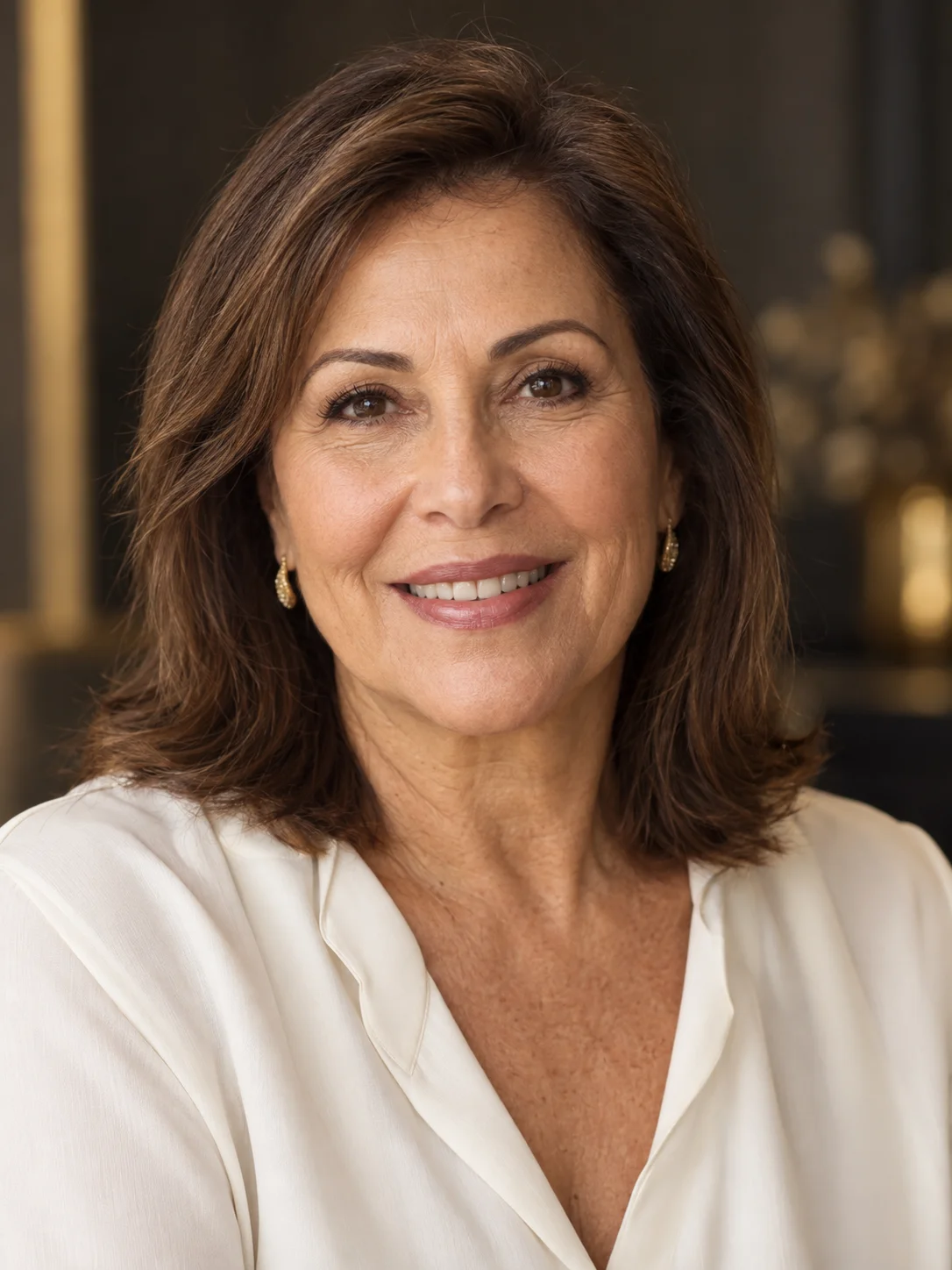
Facial fat grafting — illustrative portrait of a mature woman with natural facial contours

Illustrative image; not a patient or surgical result.

Explore

What is facial fat grafting?

Facial fat grafting transfers your own fat from a donor area to selected parts of the face where additional volume is appropriate. I collect and prepare the tissue, then distribute it in small amounts according to the surgical plan. Some of the transferred fat may be reabsorbed. Fat grafting addresses volume; it does not replace a facelift when the main problem is tissue descent. Nanofat is a different preparation, studied primarily for skin quality rather than structural volume replacement.

  • I assess missing volume separately from sagging, skin changes, and natural asymmetry.
  • The donor area needs care as well as the face, even when the amount collected is small.
  • I do not promise complete retention, a particular percentage of survival, or a result that will never need adjustment.

The concern may be a shadow, rather than a wrinkle

You might notice that your face looks tired in photographs without being able to point to one specific change. The temples may appear hollow, the cheek may look less supported, or the transition beneath the eyes may cast a shadow that was not there before. These concerns deserve a closer look before deciding to add anything.

During consultation, I distinguish a region that has lost volume from tissue that has moved downward. Both can occur together. Adding fat to an area that needs repositioning can make it heavier without addressing the reason it bothers you.

I also want to know what you like about your face. Some patients want to recover a familiar contour; others specifically want to avoid fuller lips or cheeks. I do not assume that rejuvenation means making every area larger. Your preferences belong in the plan alongside the examination.

A volume map, not a standard filling pattern

Temples and cheeks

I assess hollowness and projection in relation to your underlying structure and the position of surrounding tissues. Earlier photographs can help us discuss changes, but they are not a template I can promise to reproduce. The aim is an appropriate distribution of volume for your present face.

The transition below the eyes

A dark circle may involve a hollow, a protruding fat bag, pigmentation, swelling, or more than one factor. Those are different problems. I examine the eyelid and cheek together before deciding whether added volume has a role, whether a bag needs treatment, or whether the concern is primarily in the skin.

Folds, lips, and facial proportions

A fold can reflect volume loss, tissue descent, movement, or a combination. I explain which part of the concern a graft might address and which part it would leave unchanged. Lip volume is a separate discussion: it is not an automatic addition to every facelift or fat-grafting plan.

Why I may combine fat grafting with a facelift

A facelift repositions tissues. A fat graft can address a selected area where repositioning alone does not replace lost volume. When I propose both, I explain the purpose of each rather than presenting them as two names for the same change.

Marten and Elyassnia described the role of fat grafting in facial rejuvenation in a 2015 review, particularly when facial atrophy limits the improvement obtainable from a lift alone. This is useful clinical context for combining procedures; it does not establish that every face needs a graft or that more volume always improves the result. 1

My deep plane facelift guide explains the broader operation. At consultation, we can identify which regions I would reposition, which I would consider for volume, and which I would leave alone. The donor-area procedure, anesthesia planning, and recovery of the combination also need to be discussed before you travel.

Where would volume make a difference for you?

Let us distinguish volume loss from tissue descent and skin changes, so each part of the plan has a clear purpose.

Microfat and nanofat have different purposes

The word fat can make different preparations sound interchangeable. They are not. Preparations used for volume aim to retain tissue suitable for grafting, while particle size, processing, and the receiving area influence how that tissue is used. Terms such as microfat describe a preparation; they do not guarantee a uniform technique or outcome across practices.

Nanofat undergoes emulsification and filtering. In Tonnard and colleagues' original 2013 study, no viable adipocytes were observed in the nanofat sample, although other adipose-derived cells remained. The authors explored skin-related applications in a preliminary clinical series, not a guarantee of structural volume retention. 2

That distinction matters when you read about regenerative treatment. Finding cells in a laboratory sample does not tell us precisely how much a person's skin will improve. Nor does it make every preparation described online equivalent to the treatment proposed in your consultation.

I explain the intended use of each preparation in plain language. We should be clear about whether we are discussing contour, the appearance of the skin, or both, and about the uncertainty that remains for each goal.

A particular consideration beneath the eyes

In selected patients with hollow lower-eye contours, I prefer nanofat because of the way I observe it settling beneath the thin eyelid skin. This is a preference from my clinical practice. It is not proof that nanofat provides the same structural volume or retention as a graft containing viable fat cells.

The distinction is especially relevant if you have both bags and hollows. Removing a protruding bag and softening a depression address different parts of the contour. Treating one does not necessarily resolve the other, and not every dark circle needs fat.

The lower blepharoplasty guide explains how I assess skin, bags, and hollows together. If volume is part of your plan, I will explain why I recommend that preparation for that location, what alternatives exist, and which features are unlikely to change with it.

What happens from the donor area to the face?

Choosing where to collect the fat

I examine suitable donor areas, such as the abdomen or thighs, considering available tissue and previous surgery. Being slim does not automatically rule out a graft, but body weight alone cannot tell me whether the required donor tissue is available. Previous liposuction is important information to share.

Collecting and preparing the tissue

Fat is collected through small access points and prepared for the intended use. The donor area is part of the operation: it can bruise, feel tender, and require care. A small amount of collected tissue does not mean that this part of recovery can be ignored.

Distributing the graft

I plan the locations and amounts for the selected regions rather than trying to place the largest possible volume. We discuss natural asymmetry and the limits of correction beforehand. If grafting accompanies a facelift, these steps form part of the combined surgical and anesthetic plan.

How much of the transferred fat will remain?

The early appearance includes both transferred tissue and swelling. It is too soon to judge retention from the first postoperative mirror or from a photograph taken while the face is still settling. Some fat may be reabsorbed, and the amount that remains varies.

A systematic review by Gornitsky and colleagues included 43 articles and 4,577 patients treated for different facial contour concerns. The review examined retained volume as well as complications. Its pooled findings are not a personalized prediction: the included procedures, assessment methods, and follow-up periods do not describe one identical treatment applied to one identical type of patient. 3

I therefore do not quote a fixed survival percentage as a promise for your face. If a region eventually needs more volume, that decision follows observation of the result rather than an attempt to correct every early difference immediately.

My guide to facial changes after weight loss discusses timing and medication questions in more detail.

Weight changes also matter. Fat that integrates remains living tissue, and changes in weight can alter facial volume. Tell me about planned weight loss before surgery so that we can discuss timing instead of making decisions around a body weight you do not expect to maintain.

How does it compare with injectable fillers?

Fat grafting requires a donor-area procedure and surgical planning. Hyaluronic acid fillers have a different application, behavior, and approach to managing unwanted effects. A comparison should consider the region, the goal, prior treatment, and the recovery you are prepared for, rather than declaring one material better for every person.

Removal is not a simple reset. The FDA notes that reducing or removing a filler can require additional procedures with their own risks, and some materials cannot be fully removed. Vascular injury can also cause permanent damage. I would not treat the possibility of removing a product as a guarantee that a complication could be undone. 5

I do not currently offer hyaluronic acid filler treatments in my practice. I discuss them here to explain the alternatives, not to imply that every option mentioned on this page is a service I provide.

If you have received fillers, tell me the product, location, and approximate date whenever possible. Bring records if you have them. I need to understand what may already be contributing to the contour before proposing a graft; do not arrange removal or another treatment simply because of a general statement online.

The risks deserve a direct conversation

Possible problems include uneven reabsorption, asymmetry, excess volume, irregularities, nodules, oil cysts, infection, and the need for revision. The donor area can also develop contour or healing problems. Using your own tissue does not make the procedure free of complications.

Serious vascular complications have been reported, including loss of vision and neurological injury when injected fat enters the arterial circulation. Brucato and colleagues' 2024 review examined published reports of complications. Because it selected complication reports, its case counts cannot be used to calculate the chance of an event among all people having facial fat grafting. 4

Careful planning and technique matter, but they do not justify a promise of zero risk. I discuss the intended areas, your medical history, and associated procedures before deciding on the plan.

Sudden visual change, weakness, or difficulty speaking requires immediate emergency assessment. Do not wait for an office appointment or a WhatsApp response if those symptoms occur. For other unexpected changes, contact the team promptly so we can decide what evaluation is needed.
Recovery includes two areas, not just the face

Expect instructions for the face and the donor area. Swelling, bruising, and tenderness can occur in both, and their course depends partly on any associated surgery. Do not massage a lump or try to reshape the graft yourself; ask us to assess what you are noticing.

When fat grafting accompanies a facelift, I follow the recovery of the combined operation. We commonly discuss social return around two weeks in that setting, while recognizing that appearance and comfort vary and the result is still evolving. Social return is not clearance for every activity.

Photographs over time and follow-up examinations are more useful than comparing each day with the one before. I want to know what you feel as well as what you see. If a change needs treatment, that decision should be based on assessment rather than reassurance that every irregularity must disappear.

Planning from outside Brazil

An online consultation can begin the discussion, but it does not replace the in-person examination that confirms the surgical plan. Tell us about previous facial treatments, medical conditions, medications, smoking, vaping or other nicotine use, and changes in weight. Do not stop prescribed medication because of a general preoperative list; we need to consider why you take it.

For a combined facelift, our usual planning is arrival two days before surgery and a stay of at least 12 days afterward, preferably 14. Those are planning intervals, not automatic permission to fly. The appropriate schedule for an isolated graft must be discussed separately rather than assumed to be the same.

The patient journey describes the consultation and follow-up arrangements. My team can discuss accommodation, transport, and caregiver options with you. Follow-up continues after you return home, with online visits when an in-person review is not possible. If you need hands-on assessment, we will discuss how to arrange it.

Your questions deserve thoughtful answers.

Can I have facial fat grafting without a facelift?

Yes, when the concern is volume and examination does not indicate surgical repositioning. If the main problem is significant tissue descent, adding volume alone may not address it. I explain that distinction before recommending a procedure.

Will my face look overfilled?

Excess volume and irregularities are possible, which is why I plan around your proportions and preferences. Early swelling is not the final contour, but I do not dismiss every concern as swelling without assessment.

Is the result permanent?

Some transferred tissue may remain for a long time, but retention varies, aging continues, and weight changes can affect appearance. A further procedure may be appropriate in some cases; I do not promise a single treatment for life.

Is nanofat the same as adding living fat for volume?

No. The original nanofat study did not find viable adipocytes in its nanofat sample. I explain my selected lower-eyelid use as clinical experience, without claiming structural volume retention equivalent to microfat.

What if I have very little donor fat?

I need to examine potential donor areas and relate the available tissue to the plan. Some slim patients have enough, but I cannot confirm that from weight or photographs alone.

Can I judge the result before returning home?

We can assess early healing and address concerns during your stay, but the tissues will continue to settle afterward. Leaving Brazil does not mean the result is final or that follow-up has ended.

Show me the areas that concern you and tell me what you would like to preserve. I will explain where fat grafting may contribute, where repositioning may matter more, and what neither approach can promise. That is how we build a plan around your face rather than around a standard amount of fat.

← Explore procedures