Surgery Patient journey Dr. Z Results Patient stories Blog Contact Talk to the team

Blepharoplasty

When your eyes look tired even after a good night's sleep, the answer starts with understanding what has changed. I assess the eyelids, brows, and surrounding volume together to plan a lighter-looking eye area while protecting the comfort and function of your eyes.

Schedule my consultation
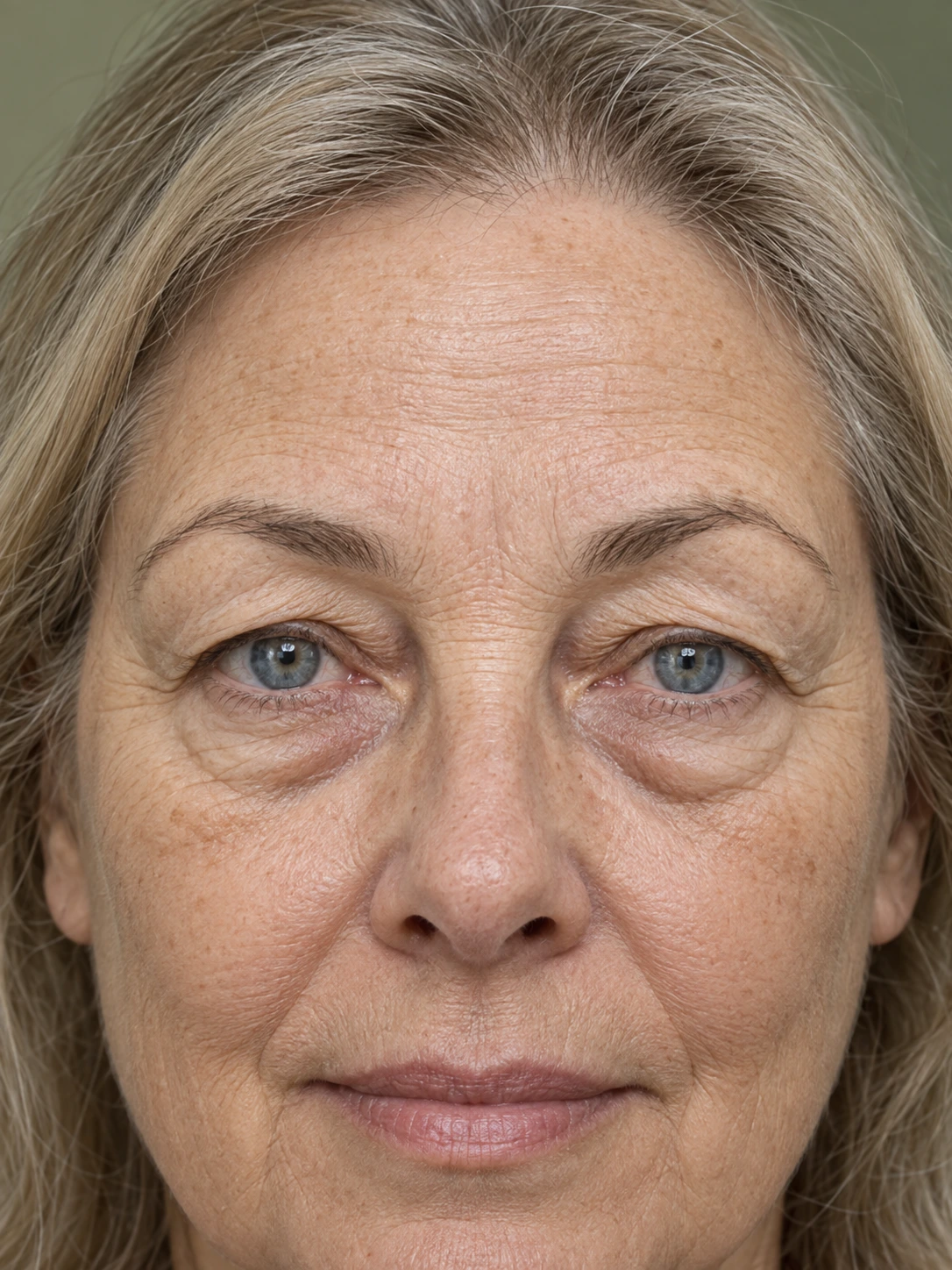
Blepharoplasty — illustrative close-up of mature eyes with upper-lid folds and under-eye bags

Illustrative image; not a patient or surgical result.

Explore

What is blepharoplasty?

Blepharoplasty is surgery to treat selected changes in the upper or lower eyelids, such as excess skin or prominent fat bags. The plan depends on eyelid support, eye closure, brow position, and the cause of any under-eye hollowing. It may involve the upper lids, lower lids, or both; it does not automatically correct every cause of dark circles or a tired expression.

  • Upper and lower eyelids need separate assessment, even when treated together.
  • Removing more tissue is not necessarily better: closure and support matter.
  • Dry-eye symptoms, previous eye surgery, and contact-lens use belong in the consultation.
  • If you are traveling to Brazil, recovery arrangements are planned before surgery, not after booking your return flight.

Start with what you notice in the mirror

You may notice a fold resting over the upper eyelid, bags that cast shadows underneath, or a transition from the eyelid to the cheek that has become more pronounced. You may also find that photographs make you look less rested than you feel. These concerns can coexist, but they do not all come from the same structure.

At the consultation, I want to hear which detail bothers you most and what you hope will change. We then examine that concern in the context of your whole face. An eyelid can look heavy because of skin, the position of the brow, or another problem affecting the lid itself. The useful question is not simply how much skin we can remove, but which change will address your concern without compromising the eye.

My aim is to make the plan understandable. You should leave knowing what I propose to treat, what I would preserve, and which features may remain even after surgery.

Four details that shape the plan

Upper-eyelid skin

A fold of excess skin may obscure the natural crease or make the upper eyelid look heavy. I assess it with the brow in its normal position and with attention to eye closure. The amount removed must fit that examination, rather than a predetermined strip of skin.

Lower-eyelid bags

Prominent fat bags can create a raised area beneath the eye. The access route depends partly on whether skin also needs treatment. An internal, transconjunctival approach can address bags without an external skin incision, but that approach alone does not remove excess skin. 1

Under-eye hollows

A depression beneath a bag can make the contrast more visible. Removing the bag does not necessarily resolve the hollow. Selected patients may benefit from a separate volume-restoration plan, which I explain alongside the eyelid procedure.

Brow position and eyelid support

A lowered brow can contribute to upper-lid heaviness. A lax lower lid may need particular attention to support. These findings influence the operation; they are not reasons to remove progressively more skin in pursuit of an open-looking eye.

Upper blepharoplasty: preserve a comfortable, recognizable eye

For the upper eyelid, the incision usually follows the natural crease. That position helps place the scar within an existing fold, but it does not make the scar disappear. Healing, skin characteristics, and the amount of change needed all affect how it looks over time. 1

I assess the relationship between the brow and eyelid before deciding on skin removal. The brow lift guide explains when a brow adjustment may be considered alongside upper blepharoplasty. A low eyebrow and a low eyelid margin are different findings. The latter may represent eyelid ptosis and requires its own assessment; ordinary blepharoplasty should not be described as a universal treatment for it. If another evaluation is needed, that comes before deciding on the cosmetic plan.

Preservation also matters when there has been previous surgery. Tissue already removed cannot simply be put back by taking more away. I need to understand earlier operations, any existing difficulty closing the eyes, and whether the surface of the eye is already uncomfortable. These details may change the plan or lead me to recommend against an additional procedure.

What would you like to change about your eye area?

Let us assess your eyelids and discuss a plan that respects your expression, eye comfort, and goals.

Lower blepharoplasty: distinguish bags, skin, and hollows

For the lower eyelids, I separate three questions: is there excess skin, are there prominent fat bags, and is there a hollow beneath them? Each answer can lead to a different part of the plan. A single label such as “dark circles” is not enough to select an operation.

When bags are present without excess skin, an internal approach may be suitable. When skin treatment is also indicated, the plan may include a conservative skin removal. My assessment includes how the lid sits against the eye, its support, and the risk of pulling it downward. You can read the more detailed guides to lower blepharoplasty and transconjunctival blepharoplasty if you want to compare those decisions.

For selected hollows, I use nanofat in my practice. That is my clinical preference in this delicate region, not a claim that all types of dark circles respond to fat grafting or that nanofat has the same structural behavior as microfat. Pigmentation and other contributors may remain even when contour improves. We discuss those limits before adding another procedure.

What I need to know before recommending surgery

Tell me about dry eyes, burning, grittiness, excessive tearing, or difficulty wearing contact lenses. Bring information about previous eyelid operations, laser vision correction, other eye treatment, thyroid disease, and medications. If you already use eye drops or see an ophthalmologist, that information helps us decide whether further assessment is needed.

The importance of this history is supported by clinical research. A retrospective study of 892 blepharoplasty cases examined dry-eye symptoms and conjunctival swelling, including their relationship with preexisting findings and surgical factors. It was a single-surgeon series, not a personal risk calculator for another practice. Its useful message here is that the condition of the eyes and the planned operation deserve attention together. 2

Please do not stop prescribed medication on the basis of a general website instruction. Medication decisions must account for why you take it and be coordinated with the professionals involved in your care. The preoperative consultation is also the time to discuss allergies, smoking, prior healing problems, and the support you will have during recovery.

How blepharoplasty fits a facial rejuvenation plan

Eyelid surgery on its own

When the concern is limited to the eyelids, the discussion can focus there. Having eyelid surgery does not mean that you also need a facelift. The proposed operation should follow the findings and your goals, rather than a package of procedures.

Eyelid surgery with a facelift

A facelift and blepharoplasty address different parts of the face. When both are indicated, a combined plan can consider the eyes alongside the cheeks, jawline, and neck. The decision also takes account of your health and the demands of recovery.

Eyelid surgery with selected volume restoration

Volume loss can contribute to an aged or hollow appearance around the eyes. Facial fat grafting may be considered as a separate component of the plan. More volume is not automatically more natural; location, amount, and existing contour matter.

Recovery is part of the decision

You need practical room in your schedule to recover. Swelling, bruising, irritation, and eye-surface discomfort can occur after eyelid surgery. The early appearance is not a reliable preview of the final result. You will receive instructions for your particular operation, including eye care, follow-up, and when activities can resume. 3

Plan help with transportation and ordinary tasks while you are recovering. Do not assume you will be comfortable driving, working long hours at a screen, or attending an important event immediately. Those plans should be discussed in advance, especially if blepharoplasty is being combined with a larger operation.

In my transconjunctival postoperative instructions, contact lenses are avoided for two weeks. That is not an automatic clearance to restart them on a particular day: the condition of the eyes still matters. Use only the eye products prescribed for your case, rather than adding an ointment or cosmetic because it was recommended for someone else.

As healing progresses, follow-up lets us evaluate both appearance and function. Questions about lingering swelling, asymmetry, or discomfort are reasons to contact the team, not to judge your result against a photograph taken at a different recovery stage.
Risks we discuss openly

Blepharoplasty is surgery, even when the incisions are small. Potential problems include bleeding, infection, unfavorable scarring, asymmetry, dry eyes, difficulty closing the eyes, and changes in the position of the lower lid. Additional treatment or revision may sometimes be needed. Vision can be affected, and severe visual complications, including loss of sight, are rare but important risks to discuss. 4

Sudden changes in vision, intense eye pain, or rapidly increasing swelling need immediate medical assessment. Do not wait for a routine appointment or for a WhatsApp reply if these occur. Our support is part of follow-up, but it does not replace emergency care.

A careful plan cannot make risk zero. What it can do is identify concerns before surgery, make the limits explicit, and establish how we will respond if recovery is not following the expected course. You should feel able to ask about these issues without being rushed toward a decision.

Planning your visit from outside Brazil

The process can begin with a video consultation, where we discuss your concerns and medical history. Photographs and a conversation help with preliminary planning, but the in-person examination confirms the surgical proposal. Eye symptoms may also require an ophthalmic assessment before we can make a final recommendation.

For patients combining eyelid surgery with a facelift, our current travel plan is to arrive two days before surgery and stay at least 12 days afterward, preferably 14. Those intervals support preparation and follow-up; they are not a guarantee that everyone is ready to fly at the end of that period. Isolated eyelid surgery needs its own schedule, agreed with the team for the procedure and recovery involved.

Our team can help you think through accommodation, transport, and support during your stay in Londrina. The patient journey explains how consultation, preparation, surgery, and follow-up connect. Before booking, make sure you understand which appointments need to be in person and how later reviews will work after you return home.

Your questions deserve thoughtful answers.

Will blepharoplasty change the shape of my eyes?

The intended changes are planned around your existing anatomy and expression. However, surgery can affect eyelid position, and this is one reason conservative tissue treatment and assessment of support matter. I explain the proposed change and relevant risks rather than promising that eye shape cannot change.

Does blepharoplasty remove all dark circles?

No. Bags and hollows can create shadows, but pigmentation and other factors can also contribute. Treating one structural cause does not guarantee that every dark area will disappear. The consultation separates these contributors before choosing a treatment.

Do I need both upper and lower eyelid surgery?

Not necessarily. Each area is assessed separately. A concern in the upper lids does not automatically justify operating on the lower lids, and vice versa. We decide on the scope from the examination and what you want to address.

Can I have surgery if my eyes are dry?

Dry-eye symptoms need evaluation before a decision. They may change the plan, require additional assessment, or make surgery inappropriate at that time. Tell me about symptoms and current treatment even if they seem minor or only occur with contact lenses.

Will the scars be invisible?

No scar can be promised to be invisible. Upper-lid incisions are generally placed in the crease; an internal lower-lid approach does not create an external skin scar. When skin incisions are needed, their placement and healing are discussed before surgery.

Can I arrange everything before traveling to Brazil?

We can organize preliminary evaluation and practical arrangements remotely, but the final plan depends on the in-person examination. Please confirm the required tests, length of stay, support, and follow-up with the team before committing to travel dates.

Bring the concern that matters most to you, whether it is upper-lid heaviness, lower bags, or a hollow that makes you look tired. I will explain which changes surgery may address and how to plan for them, with space for your questions before you decide.

← Explore procedures