Surgery Patient journey Dr. Z Results Patient stories Blog Contact Talk to the team

Preoperative Instructions

Make room for your recovery before you pack for the trip.

Schedule my consultation
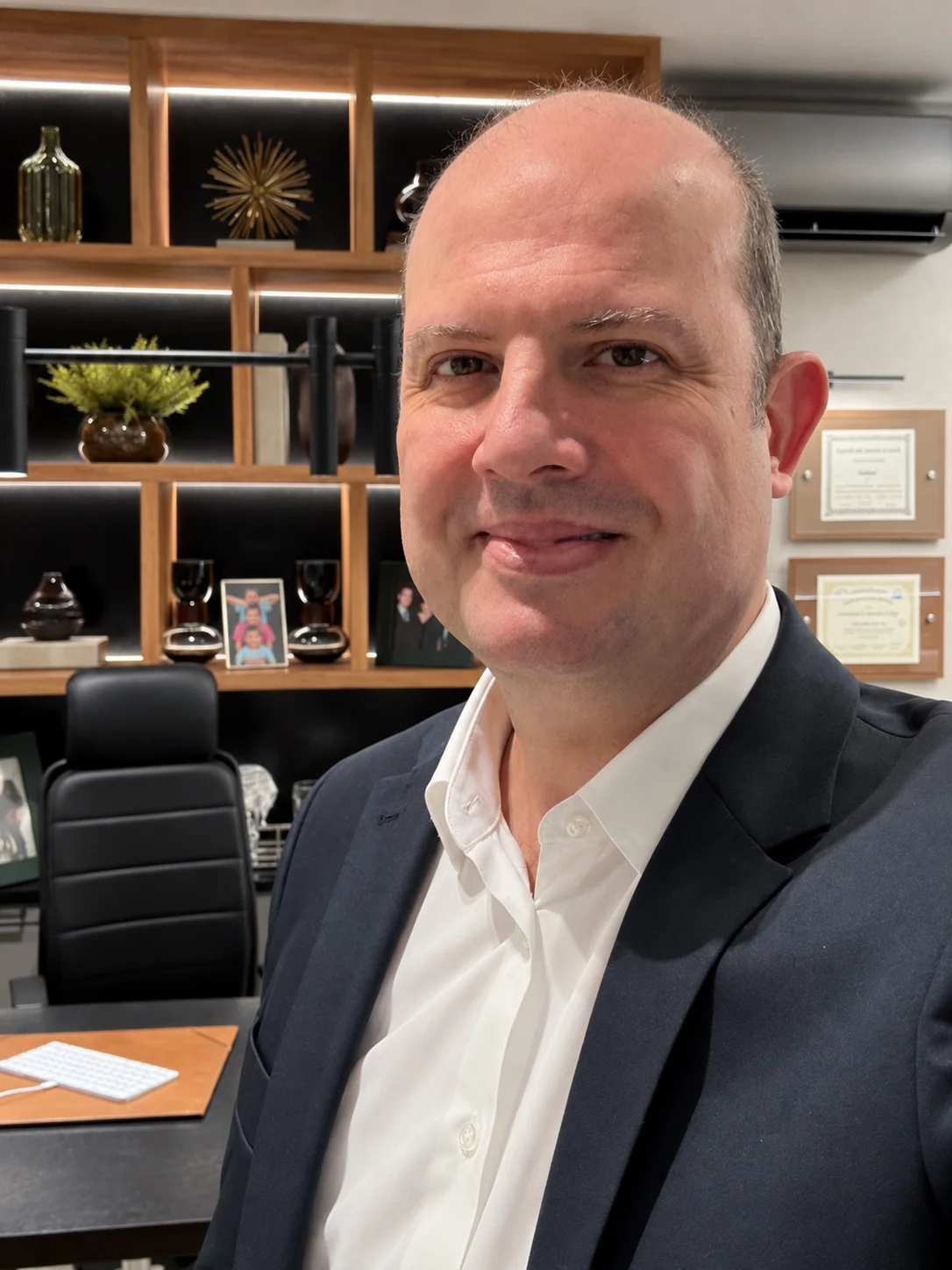
Preoperative instructions — Dr. Walter Zamarian Jr. in his consultation room

Dr. Walter Zamarian Jr. at the office.

Explore

How should I prepare for a facelift in Brazil?

Begin with the consultation, requested examinations, and an individual review of your medicines and health. Arrange help, accommodation, and transport before traveling. For my international facelift patients, the usual plan is arrival in Londrina two days before surgery and an in-person consultation with photographs the day before. Follow the written fasting, medication, and admission instructions provided for you. This guide helps organize those steps; it does not replace your prescription or confirm that surgery can proceed.

  • Tell the team about new symptoms, treatments, nicotine use, and previous anesthesia problems.
  • Plan for at least twelve days after surgery in Londrina, preferably fourteen, subject to individual assessment.
  • Arrange transport and support so recovery does not depend on driving or managing everything alone.
  • Ask about unclear instructions before the day of surgery, rather than improvising.

Prepare in three stages

Before you travel

Begin the clinical assessment, obtain the requested tests, and allow time for review. Explain your travel dates and support needs. Make practical arrangements around the appointments we agree on, rather than fitting necessary care into a trip that cannot be changed.

At the preoperative visit

I examine your face, review the information, confirm the plan, take photographs, and discuss remaining questions. João explains payment and admission details. Leave with a clear understanding of the next morning, including where to go and which personal instructions to follow.

The evening and morning before surgery

Keep your documents, prescriptions, and instructions together. Check your transport and arrival time. Follow your individual fasting and medication plan. If something has changed or you did not follow an instruction, tell the team before proceeding.

These stages are a way to organize preparation. They are not a medication calendar: some treatment decisions require advance planning with the clinicians who prescribe them.

A clear decision comes before a reserved date

I want to understand why you are considering surgery, what changes matter to you, and how much time you can realistically devote to recovery. We discuss the proposed procedures, alternatives, risks, and limitations. Ask about anything that could affect your decision, including concerns you find difficult to put into words.

A video consultation can begin that discussion while you are abroad. It remains a preliminary assessment. The in-person visit is necessary before operating, because the physical examination can confirm or change the plan. Travel arrangements should allow for that clinical decision rather than assume the operation is guaranteed once a date is discussed.

João explains the individualized quote and reservation terms. In my usual process, the deposit is ten percent of the surgeon's fee, not ten percent of all hospital, travel, and accommodation expenses combined. Confirm the written terms before paying. Bruna is your first contact through this English-language site and can help you reach the team for the next step.

Tell us what might change your preparation

Medical history and new symptoms

Tell us about allergies, previous operations, anesthesia difficulties, unusual bleeding, blood clots, and conditions being treated. Report a new fever, cough, vomiting, skin lesion, or other change before coming to the hospital. Do not try to conceal symptoms because you have already traveled.

Medicines and products you use

Include prescriptions, occasional medicines, hormones, vitamins, herbal products, and supplements. Give the names and doses, not only the reason you take them. Include diabetes and weight-management medication. The anesthesia team needs an accurate picture even when a treatment seems unrelated to your face.

Smoking, vaping, and nicotine

Tell us whether you smoke, vape, or use another nicotine product. If stopping is difficult, say so early so we can discuss a practical plan and appropriate support. An honest account is more useful than a reassuring answer that leaves the team unaware of ongoing use.

ASPS preparation guidance includes medical evaluation, medication review, and smoking cessation.1 The aim is coordinated preparation; it is not permission to stop another clinician's prescription independently.

Let us organize your preparation

Talk to Bruna about the questions you need answered before arranging your surgery in Brazil.

Why the medication plan must be yours

There is no single instruction to stop every medicine before surgery. A drug prescribed to prevent a serious medical event cannot be treated like an optional supplement. Changes may need discussion among me, the anesthesiologist, and the clinician managing the underlying condition. Ask which medicines to continue, change, interrupt, or restart and have the instructions available in writing.

Weight-loss and diabetes drugs are an example of why advice needs context. A 2024 American Society of Anesthesiologists news release describing multisociety guidance says many patients taking GLP-1 medicines can continue them, while others need an adjusted plan. Recent dose increases and gastrointestinal symptoms are among the factors considered.2 That is a reason to disclose your treatment early, not to choose your own stop or continuation schedule from this paragraph.

Do not add sleeping tablets, supplements, or another person's prescription before surgery. If I prescribe medication for the evening or clot prevention, the drug, dose, and timing belong in your individual instructions. If the operation time changes, ask the team to confirm the plan instead of recalculating it yourself.

Start the smoking conversation early

A review by Mills and colleagues examined smoking cessation across different operations and found fewer postoperative complications with cessation interventions; longer periods of cessation were associated with better outcomes.3 These findings support preparing in advance, but they do not establish one guaranteed safe interval for your facelift.

Tell us what you use, how often, and whether you have tried to stop. We can discuss the preparation required for your operation and how to obtain appropriate support. If you resume use after telling us you stopped, contact the team. The purpose of the conversation is to make an informed care decision, not to judge you.

Do not substitute a different nicotine product and assume it is acceptable without discussion. The team needs to know about that change too. A plan you can explain and follow is more useful than an instruction you quietly find impossible.

Arrange the trip around care

For the usual international facelift pathway, arrive in Londrina two days before surgery. The day before the operation is reserved for the in-person consultation, examination, review, and photographs. Discuss the dates with the team before booking flights, and leave room for further assessment if something remains unresolved.

Plan to remain in Londrina for at least twelve days after surgery, preferably fourteen. These intervals support early follow-up; they are not automatic permission to fly. Your actual departure depends on my assessment. A different operation may need a different plan, so do not apply the facelift schedule to every procedure on this site.

The team can suggest an apartment or Airbnb, a driver, and a caregiver. Availability, services, hiring, and payment are arranged separately. Explain whether you will travel alone and what help you expect to need. A recommendation does not by itself reserve a service or make its cost part of the surgical fee.

Prepare the quieter days as carefully as surgery day

Help with everyday tasks

Decide who will accompany you after discharge and assist with practical needs. Make a plan for meals, essential errands, and tasks you normally handle yourself. If you have responsibilities at home, arrange cover rather than assuming you can resume them remotely immediately after surgery.

Transport to appointments

Arrange a way to get between your accommodation, the office, and the hospital without driving yourself. Keep the addresses and appointment information accessible to your companion or driver. The hospital and office are different locations, explained in the hospital guide.

Time away from commitments

Allow time for rest and reviews. Do not place a major social event at the edge of an expected recovery interval: swelling and visible marks may last longer than you hope. Discuss work demands, including video calls and travel, rather than treating every job as equally easy to resume.

Set out everyday items where you can reach them comfortably and choose clothes that are easy to change. Preparation is often made easier by small practical decisions taken before you feel tired or swollen.

What to check at the final visit

Use the appointment to ask questions that arose after the first consultation. I review your examinations, take the planning photographs, and discuss the proposed treatment. The preoperative tests guide explains how to organize complete reports and send them ahead through the agreed channel.

João confirms payment arrangements and practical admission instructions: arrival time, fasting, what to bring, and companion rules. Ask about contact lenses, makeup, jewelry, nail polish, and clothing instead of relying on instructions from a previous operation. Clarify what applies to your hospital stay.

Before signing the relevant documents, make sure you understand the procedure, alternatives, risks, limitations, and recovery responsibilities. If a material question remains, bring it up. Signing a form is not a substitute for understanding the plan we have discussed.

The evening before and your hospital bag

Keep your identification, requested reports, and personal instructions together. Pack low shoes, comfortable clothes with a front opening, shampoo, and conditioner; a scarf or hat can help protect the operated area from the sun when leaving, and sunglasses are optional. Confirm the final list given to you.

Come without contact lenses, makeup, false eyelashes, jewelry, piercings, or accessories. Remove hand nail polish, including gel, according to the hospital instructions. These practical details are easier to settle before the evening becomes rushed.

My usual hospital arrival instruction is two hours before the scheduled operation. Confirm both the time and the Bela Suíça unit with the team. Follow your personal fasting instructions. If you eat or drink something outside them, or take a medicine differently from the plan, tell us; do not hide it or decide for yourself that it is too small to matter.
Your questions deserve thoughtful answers.

Should I stop all my medicines?

No. The team must define which treatments to continue, adjust, or interrupt in light of why you take them. Do not stop aspirin, anticoagulants, or other prescribed medicines on your own.

Can I take something to sleep the night before?

Use only what has been prescribed for you at the instructed dose and time. Do not add alcohol, sedatives, or natural products because you feel anxious. Ask the team if you need help.

How long should I fast?

Follow the individual instructions from the anesthesia team for your operation. This general page does not set a fasting duration. If an instruction about food, drink, or medication is unclear, ask before consuming it.

What if my surgery time changes?

Contact the team to reconfirm arrival, fasting, and medication instructions. Do not calculate a new injection or medication schedule yourself from the changed time.

What if I develop a cold or another symptom?

Tell the team before setting out for admission. We need to assess what has changed and whether the schedule can proceed. Do not mask symptoms with medication simply to preserve the date.

Can I arrive in Brazil on surgery day?

No. The usual international facelift plan includes arrival two days beforehand and an in-person consultation with photographs the day before surgery. Agree on the itinerary with the team before booking.

Bring the questions that would otherwise keep you worrying at home: a medicine, a report, travel timing, or who will help after discharge. Bruna can direct your question to the team. I want you to arrive understanding the plan and knowing what to do when something is uncertain.

← Explore the patient journey