Surgery Patient journey Dr. Z Results Patient stories Blog Contact Talk to the team

Preoperative Tests

Before we plan the operation, I want to understand the person behind the results.

Schedule my consultation
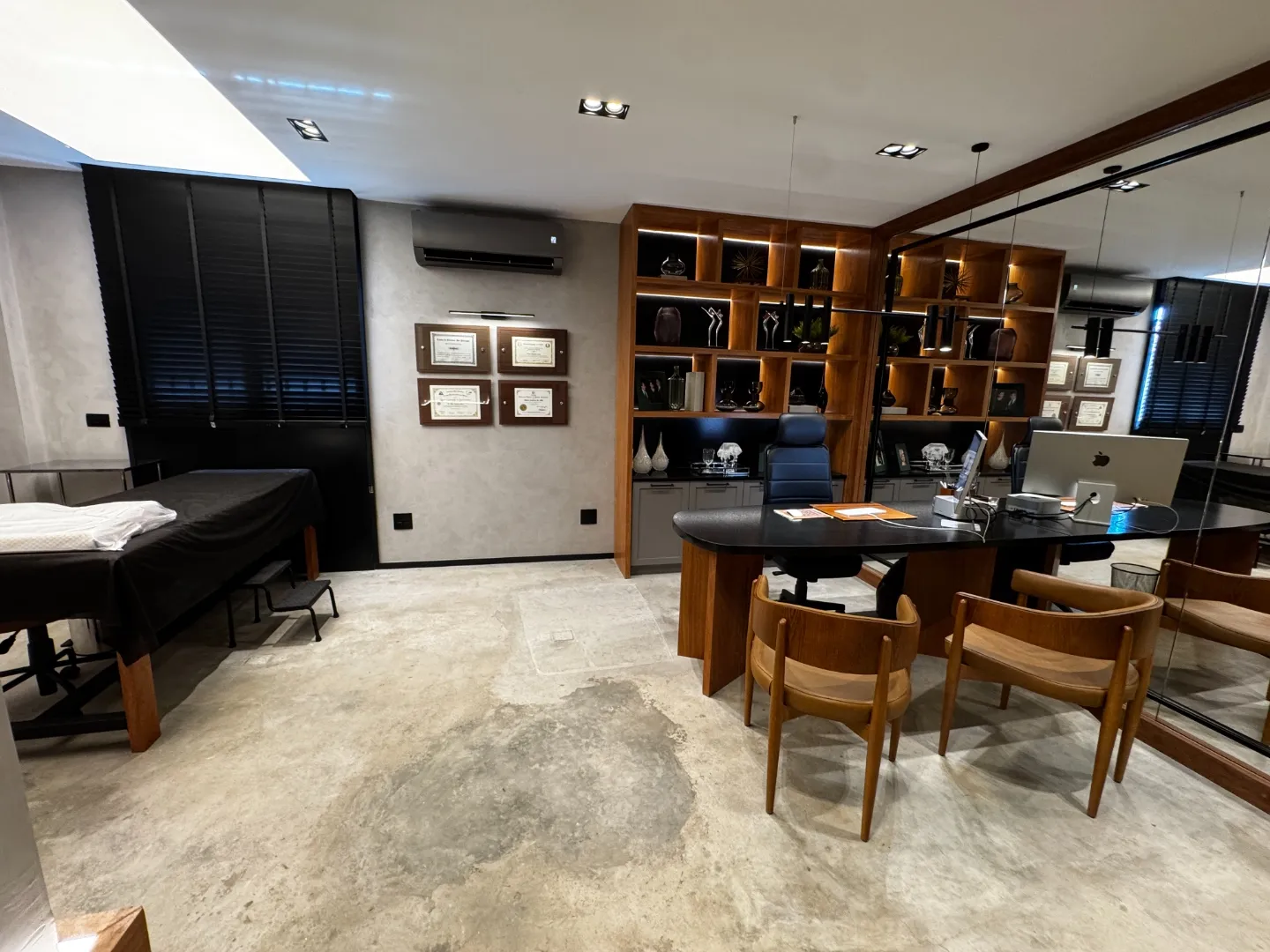
Preoperative tests — consultation room at Clínica Zamarian in Londrina

Consultation room at Clínica Zamarian.

Explore

Which tests do I need before a facelift in Brazil?

Your preoperative tests are selected after assessment of your health, medications, and proposed surgery. Blood tests, an ECG, or additional medical assessments may be requested according to your circumstances. Send complete results through the channel agreed with my team, allow time for review, and attend the in-person assessment before surgery. A normal report alone is not surgical clearance, and an abnormal result needs interpretation rather than an assumption that you cannot proceed.

  • Start with your individual request, not a test package found online.
  • Tell us about medications, supplements, allergies, and previous anesthesia problems.
  • If you live abroad, agree on the testing and review arrangements before traveling.
  • Report new symptoms or treatment changes even after your results have been reviewed.

The conversation comes before the laboratory list

When we meet, I ask about your health as well as the changes you hope to see in your face. Previous operations, unusual bleeding, healing problems, breathing concerns, and your experience with anesthesia all belong in that conversation. A laboratory report cannot provide that history for you.

Please mention ongoing treatment even when you feel well. A condition that is controlled still matters to planning, as do treatments prescribed by another clinician. Bring recent reports if they help explain what has changed or how a condition has been managed. You do not need to decide which detail is important before telling me.

This is also a good time to explain practical concerns. Perhaps you live far from a laboratory, need an appointment with your usual physician, or are unsure how to obtain reports in a format we can review. Knowing that early helps us organize the next steps around your circumstances rather than leave everything until your flight.

Three kinds of information to bring

Your health history

List the conditions you are being treated for and any previous surgical or anesthesia problems. Tell us about allergies, sleep apnea, a history of blood clots, heart or lung conditions, and smoking, vaping, or other nicotine use. Include recent symptoms and, when relevant, the possibility of pregnancy. These are topics for a private clinical conversation, not a public comment or social-media post.

Your medications and supplements

Bring the names, doses, and schedules of prescription medicines, occasional medicines, vitamins, herbal products, and supplements. Include treatments for diabetes or weight management and hormone treatments. A photograph of the packaging can help when brand names differ between countries, but it should not replace an accurate list of what you actually take.

Existing reports

Recent test results and letters from clinicians who know your health can provide useful context. Send the whole report, including the date and laboratory reference ranges. The team will confirm whether an existing result is suitable or whether an updated examination is needed. Having a report does not automatically mean it answers the current question.

Collecting this information is not a test of how well you remember medical terminology. If you are unsure about a name or detail, say so. We can identify what is missing and explain how to obtain it.

Why there is no universal test package here

The purpose of testing is to answer clinical questions relevant to your operation. NICE guideline NG45 organizes recommendations by the type of elective surgery and the person's health. It does not recommend routine chest X-rays, resting echocardiograms, or urine dipstick tests for everyone.1 That supports thoughtful selection; it does not mean that a particular examination can never be appropriate.

Your request may include blood tests, an ECG, and further assessment when indicated. We explain what has been requested and what to do next. I do not want you to buy a large package independently and later discover that an important item is missing, a test needs updating, or the results have not been reviewed by the relevant clinician.

NICE is a clinical reference from the United Kingdom, not a prescription for your care in Brazil. The American Society of Plastic Surgeons likewise includes medical evaluation, testing when requested, and medication review in facelift preparation.2 Neither source replaces the assessment of your individual health and surgical plan.

Questions about arranging your tests?

Tell Bruna where you live so the team can explain the next steps for your assessment before traveling.

Organizing tests while you are still abroad

After the consultation, João helps explain the practical steps associated with your requested examinations. Tell the team where you intend to have them performed and ask whether the request can be used there. Do not assume that a Brazilian request will be accepted by every laboratory, physician, or insurer in your country.

Check appointment availability and reporting times before choosing a collection date. Some results arrive together; others may take longer. Ask the team when the complete material should be sent and which dates are appropriate for the planned surgery. This page does not set one expiration period for every test or every patient.

Bruna is the first contact through this English-language site. She can help you start the conversation about the next step, while clinical interpretation remains with the clinicians responsible for your assessment. Ask for confirmation that the material reached the team; a sent message is not the same thing as medical review or approval to proceed.

Send a report that can actually be reviewed

Include every page

An isolated number or a cropped screenshot may leave out the test name, units, date, or reference range. Use the complete document when available. If you photograph a paper report, check that the image is sharp and that the page edges and small print are legible before sending it.

Keep the original information

Do not remove an abnormal result because it worries you or edit the report to make it easier to read. Keep the original document and tell us what concerns you. If the report uses a language the team cannot interpret, ask what additional explanation or translation is needed rather than translating medical findings yourself.

Use the agreed contact channel

Ask the team how to send health information for your assessment. Do not post reports in public comments or send them to an account you have not confirmed. Keep your own copy available for the in-person visit, and check which documents the hospital will need even if the office already received them.

Good organization avoids repeating administrative work, but it does not remove the need for clinical judgment. The next question is not simply whether a file arrived; it is whether the information is complete and the required assessment has taken place.

When a result is outside the reference range

Seeing a highlighted result can be unsettling, particularly after you have started making travel plans. Please bring it to our attention. Do not take a supplement or change medication in an attempt to correct a number before anyone has explained what it means.

The significance depends on the result and your clinical context. We may need clarification, another examination, or input from the clinician who follows your condition. Sometimes treatment or a change of schedule is appropriate. I want that decision to be made with the information we need, rather than under pressure to preserve a date at any cost.

The reverse is just as important: results within the laboratory range are not a guarantee that surgery has no risk. Tell us if you become unwell or your treatment changes after the tests. An earlier report cannot describe a new symptom that began later.

Medication decisions need their own plan

Examinations and medication instructions are related, but they are not interchangeable. Do not stop aspirin, an anticoagulant, or another prescribed treatment because a friend was told to do so before a different operation. The reason you take the medicine matters, and changes may need coordination with your prescribing clinician and the anesthesia team.

Ask for clear instructions about what to continue, change, or temporarily interrupt and when to resume it. If two instructions appear to disagree, contact the team before acting. Bring the actual medication names so a familiar brand name does not conceal a different ingredient or dose.

The same principle applies to supplements. Tell us what you use, including products you regard as natural or harmless. Do not add a new product to improve healing or a laboratory value without discussing it. Preparation should leave you with an understood plan, not a collection of conflicting online lists.

The in-person review still matters

Sending results ahead of time can make the visit more useful, but it does not replace my examination. Before surgery, I review the information, examine you, confirm the surgical plan, take the planning photographs, and answer your remaining questions. A video consultation begins that process; it does not complete the physical assessment.

For the international facelift journey, plan to arrive two days before surgery, with the in-person consultation and photographs on the day before. That short local interval is a reason to organize the requested information early, not a promise that any unresolved issue can be dealt with overnight. We will discuss what needs attention before you travel.

If surgery is postponed or your health changes, ask whether any assessment or result must be updated. Avoid assuming that the original checklist remains valid indefinitely. The patient journey explains how this review fits into admission and continuing follow-up.
Your questions deserve thoughtful answers.

Should I get tests before the first consultation?

Bring results you already have, but wait for the individualized request before buying a new package. The assessment establishes what information is needed and whether existing reports are useful.

Can I have the tests in my own country?

Discuss this with the team before making arrangements. Confirm what is requested, whether your local service can perform it, how the results will be supplied, and when they should be reviewed. Do not assume acceptance by a particular laboratory or insurer.

Are all results valid for thirty days?

There is no universal validity period on this page. The team confirms the dates appropriate to your plan and whether anything needs updating, especially after postponement or a change in health.

Does sending results mean I am cleared for surgery?

No. Delivery, clinical review, and the decision to proceed are different steps. Ask what remains outstanding and attend the required in-person assessment before surgery.

Will an abnormal result cancel my operation?

Not necessarily. It needs interpretation in context and may require clarification, treatment, further assessment, or a change of date. Do not try to alter the result yourself before discussing it.

What if I feel unwell after my tests were normal?

Contact the team and explain what changed. New symptoms and medication changes matter even when earlier results were reassuring. Do not keep them to yourself because the operation is approaching.

If you are uncertain about a request, a report, or the timing of your trip, contact Bruna so the question can reach the right person. I want you to know what to arrange, what is still being reviewed, and what we will discuss in person before your surgery.

← Explore the patient journey

References and authorship

By Dr. Walter Zamarian Jr. · CRM/PR 17.388 · RQE 15.688

These sources support the general information on this page. Descriptions of my practice explain how my team works; your surgical instructions will be individualized.

  1. National Institute for Health and Care Excellence. NG45: Routine preoperative tests for elective surgery. Recommendations.
  2. American Society of Plastic Surgeons. Facelift Preparation.