Surgery Patient journey Dr. Z Results Patient stories Blog Contact Talk to the team

Postoperative Instructions

Your recovery deserves the same attention as your surgery. I want you to know who will help, when we will meet, and how we will stay in touch after you return home.

Schedule my consultation
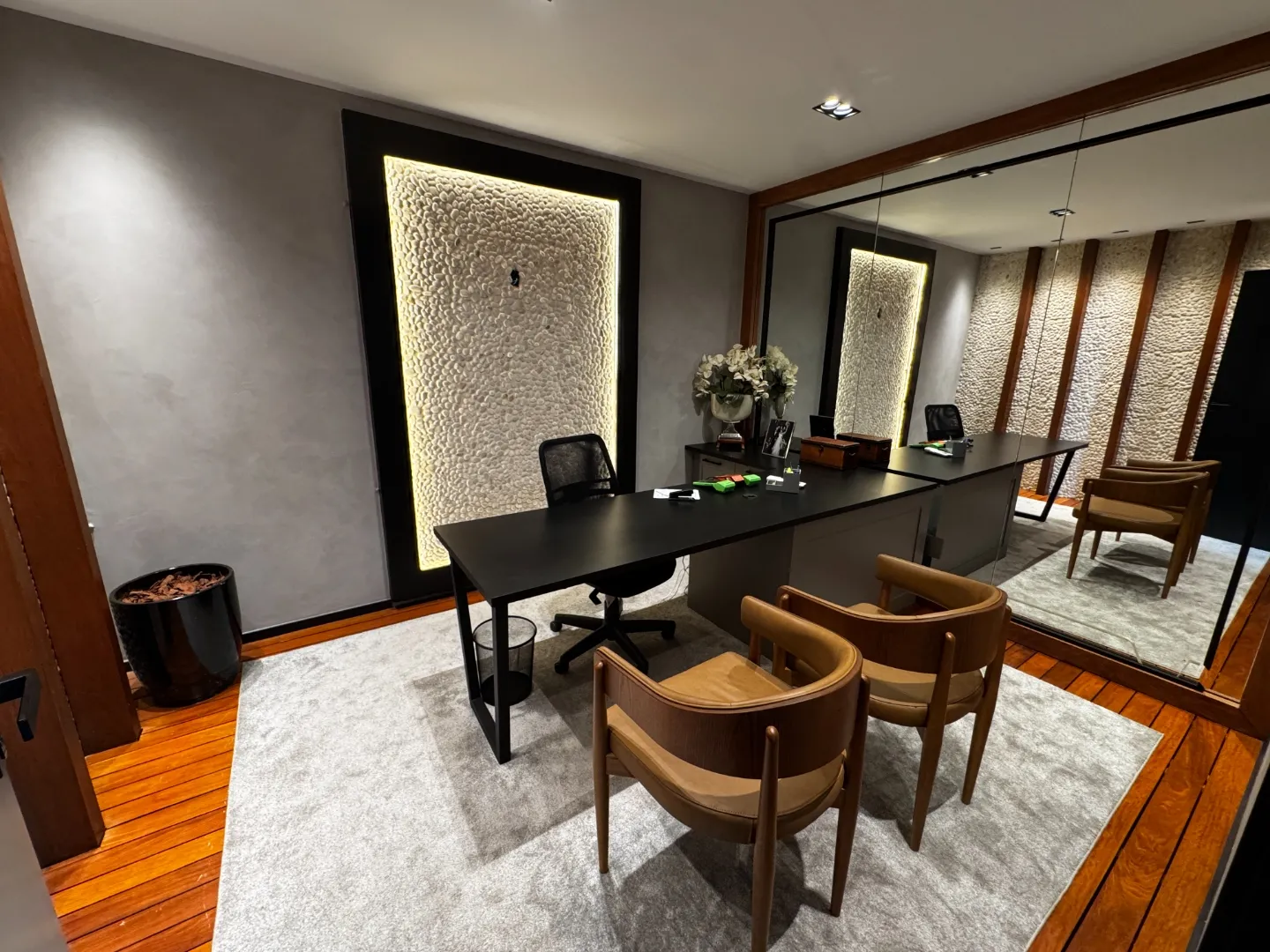
Postoperative instructions — follow-up setting at Clínica Zamarian

A room at Clínica Zamarian.

Explore

What does recovery after a facelift involve?

Recovery after a facelift includes prescribed care, early examinations, staged stitch removal, and a gradual return to daily activities. In my practice, follow-up continues for one year. For international patients, I ask for at least 12 days in Londrina after surgery, preferably 14; departure depends on my assessment rather than a fixed flight-clearance date. Surgery is day zero. The next day is day one.

  • Your individual discharge instructions take priority over a general recovery calendar.
  • Feeling ready to see people is different from being ready to exercise or judging your final result.
  • Severe symptoms need immediate emergency care, without waiting for a WhatsApp reply.

Start with a calendar you can actually use

Days one and two

I assess you at the hospital the morning after surgery before discharge. Around day two, we arrange removal of the hemostatic net at the office when it has been used. Amanda, a nurse on my team, participates in that care under my guidance. Count these days from surgery, not from the day you leave the hospital.

Days four through fourteen

Hair care with Renan can begin from day four after clearance. Lymphatic drainage with Gisele may start from day five, and endermology may be introduced from day ten if appropriate. Stitches are usually removed in stages on days seven, ten, and fourteen. These appointments have different purposes; they are not interchangeable treatments.

The following months

I continue reviewing healing and your return to activities after the early appointments are over. Photographs at two, six, and twelve months help us follow changes over time. If you live abroad, some later reviews can be remote, while a concern that needs a physical examination still requires one.

This is my usual framework, not a prescription for every patient. Before leaving each appointment, confirm the next date and any changes to your instructions. A planned appointment should never prevent you from contacting us sooner about a new concern.

Leaving the hospital with a clear plan

Before discharge, I want you and the person helping you to understand your medication instructions, wound care, and next appointment. Keep the written plan accessible at your accommodation. If something is unclear, ask us to explain it again rather than trying to reconstruct it from memory after a tiring hospital stay.

The American Society of Plastic Surgeons emphasizes individualized instructions for surgical-site care, medication, warning signs, and follow-up.1 This matters when several procedures are combined: eyelid surgery, facial fat grafting, and neck treatment can create different care needs within the same recovery.

Use only the products and medications we have instructed you to use. Do not introduce ointments, direct ice, massage, or a treatment seen online without checking first. If a prescription is difficult to follow or causes a suspected adverse effect, contact the team. Feeling better is a reason to discuss progress, not to change a dose or stop treatment on your own.

Arrange transport from the hospital and practical help at your accommodation in advance. Traveling with someone and having someone available to help with care are not always the same thing. Tell us what support you will actually have so that we can discuss arrangements before surgery.

The people you will meet during early recovery

Amanda and your office visits

Around day two, Amanda helps with removal of the hemostatic net when used, following my instructions. Its removal does not mean that all stitches are out or that recovery is complete. We still need the subsequent examinations and staged suture appointments.

Renan and care for your hair

After clearance, Renan at Diogo Guerra salon can help from postoperative day four. My routine includes two gentle hair washes to help remove surgical soap and crusting. This is arranged care, not an invitation to scrub healing areas or book unrelated salon treatments.

Gisele and recovery treatments

When indicated, Gisele can visit your accommodation for lymphatic drainage from day five. Endermology may be added from day ten after my assessment. Her sessions usually total ten, with the combination and frequency organized around your progress and stay. Do not assume every patient needs the same treatment on the same date.

Confirm these appointments with the team. The calendar is there to make recovery easier to organize; my examination determines whether a treatment can start. If you are considering another provider, discuss the technique and timing with me first.

Let us plan your recovery in Brazil

Talk to Bruna about your consultation, your stay, and the support you will need before returning home.

Swelling, appearance, and the temptation to judge too soon

Swelling, bruising, and numbness can occur after a facelift.2 Seeing a face that looks unfamiliar early on can be unsettling, especially when you are away from home. Bring that concern to the appointment. I would rather hear what is worrying you than have you spend the evening comparing yourself with someone else's photograph.

I assess the direction of your recovery, not just a single image. We look at the incisions, the facial and neck contour, and any areas treated with fat grafting. An early photograph includes both the surgical changes and the effects of recovery. It cannot stand in for a later assessment.

Numb areas also need care. Tell me where sensation feels different and whether it has changed. Reduced sensation is not a reason to apply heat, press harder, or massage the skin. Follow the instructions for the areas we treated, even when they do not feel as sensitive as usual.

Expected postoperative changes do not make every new symptom normal. Rapidly increasing swelling, substantial one-sided pain, or deterioration after improvement deserves prompt assessment. The warning-sign section below explains when to contact us and when to seek emergency help immediately.

Returning to everyday life, one step at a time

During the first ten days, my usual instruction is not to drive. After that, I consider your comfort, movement, and medications before clearing you to resume. Being able to sit in a car is different from being ready to control one safely.

For the first month, I generally instruct patients to sleep on their back and avoid exercise. Rest does not mean remaining motionless: ordinary movement follows your individual instructions. Ask us how to arrange your sleeping space and daily routine before surgery, particularly if you normally need help at home.

After about one month, if your progress allows it, I may clear side sleeping and light activity such as walking, cycling, and gym work at roughly half your usual load. At about two months, I assess return to running, spinning, and usual gym loads. These are review points rather than automatic permissions.

In my own practice, many patients feel comfortable resuming social commitments around two weeks, and most by the third week. That is a clinical observation, not a guarantee or a published recovery rate. Swelling may remain, and social readiness does not mean the result is final.

Tell me what work actually involves. A brief task on a laptop with breaks is different from lifting, travel, long shifts, or appearing on camera. We can discuss those demands more usefully than assigning everyone the same return-to-work date.

Changes that should not wait

Shortness of breath, chest pain, fainting, or sudden changes in vision, speech, or strength require immediate emergency assessment. Do not wait for a WhatsApp answer. Mayo Clinic identifies important cardiopulmonary symptoms after facelift and emphasizes urgent action for possible stroke symptoms.2, 3

Rapid enlargement of the face or neck, marked new asymmetry, increasing firmness or bruising, severe pain particularly on one side, persistent bleeding, fever, discharge, or significant worsening after improvement need prompt medical attention. Contact the team promptly; if you cannot obtain timely assessment for a significant change, seek urgent care.

A new ache or swelling in one leg, particularly in the calf, needs urgent medical assessment too. A blood clot is one possible cause, even when the operated area is your face. Do not wait for your next scheduled review. If leg symptoms occur with chest pain or shortness of breath, seek emergency care immediately. These warning signs are described by the NHS.4

Do not squeeze, drain, or attempt to treat an affected area yourself. You do not need to know the diagnosis before asking for help. Tell the clinician what operation you had and when, and keep your current medication list available.

A routine recovery question and an emergency need different responses. Our ongoing support is important, but it must never become a reason to delay urgent treatment, whether you are still in Brazil or already home.
Planning your return flight

For someone coming from abroad, I ask for a minimum of 12 postoperative days in Londrina and prefer 14. This allows time for early examinations and staged stitch removal. When healing permits, I may complete the last removal on day twelve rather than fourteen; that decision is made after assessment.

Do not translate that minimum stay into an automatic flight date. Your clinical condition and the journey itself matter. Discuss the proposed itinerary with the team before committing to arrangements based only on how soon you expect to look comfortable in public.

Accommodation, transport, and a caregiver can be discussed before arrival. The team can suggest options, but confirm what is included, what you need to arrange separately, and who will help if your stay changes. A workable recovery plan leaves room for care rather than treating appointments as obstacles to a tightly packed trip.

For preparation before leaving your country, see my preoperative instructions. The patient journey connects those arrangements with consultation, surgery, and follow-up.

Follow-up continues after you leave Brazil

My usual reviews include days seven, fourteen, and thirty, then two months, six months, and one year. Discharge assessment, net removal, stitch removal including day ten, and additional visits when needed complement that schedule. We take postoperative photographs at two, six, and twelve months.

Those appointments let me examine healing, listen to how you feel, and discuss changes as the tissues settle. I do not consider care finished when the stitches are removed. Keep the agreed dates even when you feel well; follow-up is also an opportunity to clarify expectations and compare progress.

Later visits may take place online when appropriate for a patient living abroad. Photographs and video can support those conversations, but cannot answer every examination question. If a concern needs an in-person assessment, we discuss how to obtain it rather than relying on images alone.

During follow-up, my office is available during business hours, with 24-hour WhatsApp support from Isanna and me. Bruna is your initial English-language contact for planning a consultation. The postoperative clinical support arrangement is explained directly to you, and does not replace local emergency services.

Your questions deserve thoughtful answers.

Will I see my final result after two weeks?

No. Feeling ready for social activities is different from assessing a settled result. I follow changes over months, using examinations and scheduled photographs rather than judging the outcome from an early snapshot.

Are all stitches removed at one appointment?

Usually not. My routine is staged removal on days seven, ten, and fourteen. I may complete the final removal on day twelve for a traveling patient if healing permits, but prefer a 14-day postoperative stay.

Can I book lymphatic drainage independently?

Discuss it with me first. Timing and technique need to fit your surgery and examination findings. Gisele participates in my usual recovery arrangements; reaching day five alone does not mean any treatment is appropriate.

Can I fly home as soon as the stitches are out?

Stitch removal is only one consideration. Departure requires an individual assessment and discussion of your journey. The minimum planned stay is not automatic medical clearance to fly.

Do I lose follow-up when I return abroad?

No. Follow-up continues for one year, with remote reviews where appropriate. If a symptom requires a physical examination, that examination must be arranged; a video call cannot replace every kind of assessment.

Who should I contact about planning recovery in Brazil?

Contact Bruna to discuss your consultation and practical questions before traveling. After surgery, you receive the clinical support arrangements directly. For severe or sudden symptoms, seek emergency care immediately instead of waiting for a message response.

Tell us where you will be staying, who can help, and what you need to return to at home. I want your recovery plan to be as carefully considered as your surgical plan.

← Explore the patient journey

References and authorship

By Dr. Walter Zamarian Jr. · CRM/PR 17.388 · RQE 15.688

These sources support the general information on this page. Descriptions of my practice explain how my team works; your surgical instructions will be individualized.

  1. American Society of Plastic Surgeons. Facelift Recovery.
  2. Mayo Clinic. Face-lift.
  3. Mayo Clinic. Stroke: Symptoms and causes.
  4. NHS. DVT (deep vein thrombosis): symptoms and urgent assessment.