Surgery Patient journey Dr. Z Results Patient stories Blog Contact Talk to the team

Hospital

Knowing where to go—and who will be there—can make surgery day feel more familiar.

Schedule my consultation
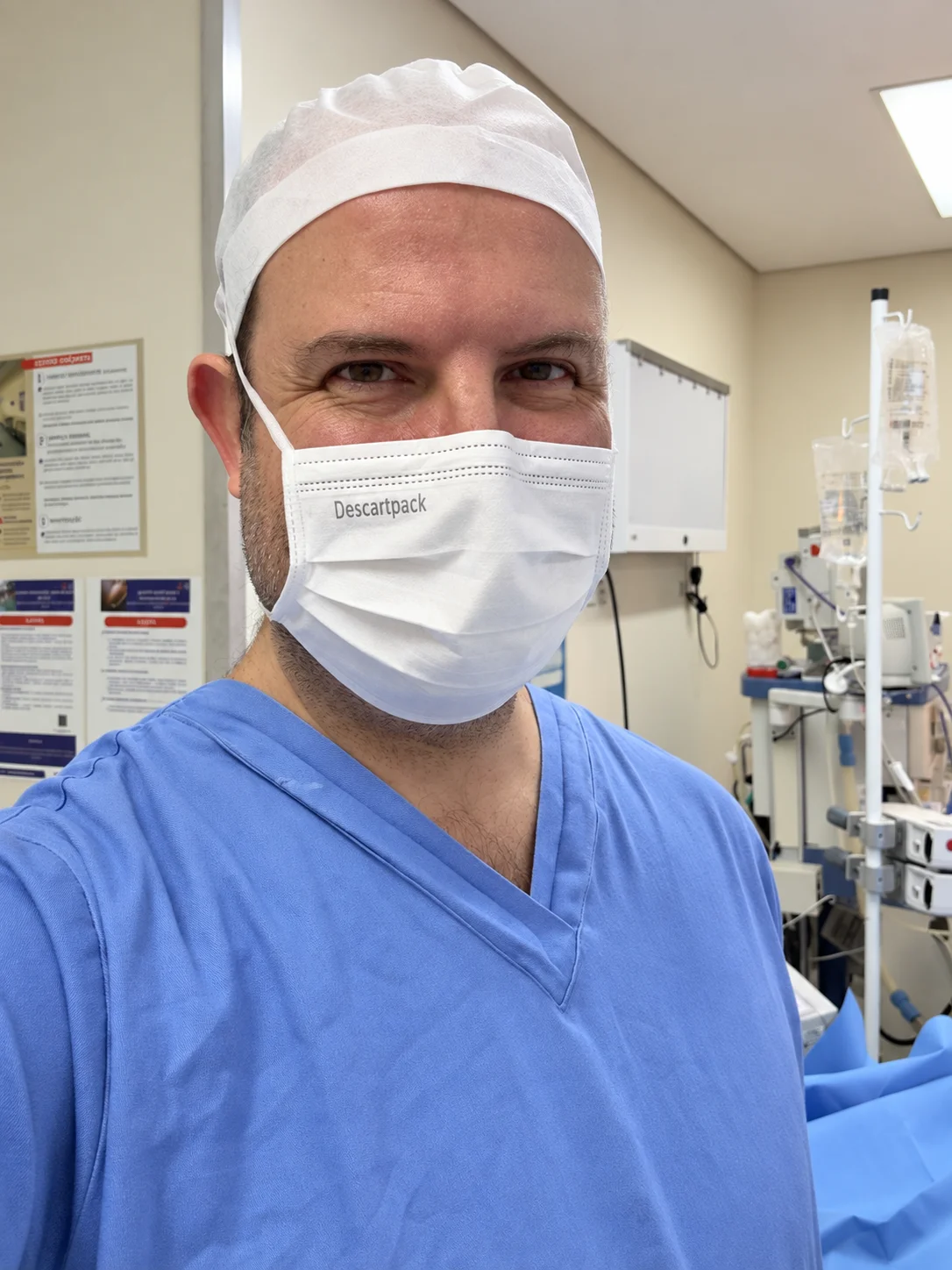
Hospital — Dr. Walter Zamarian Jr. wearing surgical attire in the operating room
Explore

Where will my facelift take place?

I perform facelift surgery at Hospital do Coração, Bela Suíça unit, in Londrina, Brazil. Your consultation and follow-up visits take place at my office, which is a different location. The usual facelift pathway includes hospital admission, anesthesia, monitored recovery, an overnight stay, and my assessment before discharge the following morning. Your individual instructions and clinical condition determine the actual schedule.

  • Confirm the Bela Suíça unit and admission entrance with the team before leaving your accommodation.
  • My usual arrival instruction is two hours before the scheduled operation, subject to confirmation.
  • Flávia welcomes you in the operating room, and I make the surgical markings.
  • Hospital discharge begins the next stage of local follow-up; it is not permission to drive or fly.

Two locations, with different roles

The office: consultation and follow-up

At the office, we discuss your expectations, examine your face, confirm the plan, take photographs, and review recovery. You can find the office details on the contact page. An appointment there is not an instruction to go to the hospital.

The hospital: surgery and admission

The Bela Suíça hospital is at Adhemar Pereira de Barros, 1199, Jardim Bela Suíça, Londrina, Paraná. The address is also listed in Hapvida's official infrastructure directory.1 Ask João to confirm the appropriate admission entrance. Use the full unit name: a similar hospital name is not enough to identify the destination.

Before surgery day, save the confirmed address and share it with your driver or companion. If you are unsure which location a message refers to, ask the team. It is much easier to settle that question in advance than while traveling between unfamiliar addresses.

Admission is organized before you arrive

After we have discussed the surgical plan, João explains the estimate, tests, and administrative arrangements for the hospital stay. This is the time to establish what is included, what must be paid separately, and which accommodation arrangements apply to you. A website description does not replace that individualized information.

Keep the latest admission instructions together with your prescriptions and fasting instructions. If the schedule changes, confirm whether the arrival or fasting instructions also change. Do not work from an older message simply because it was the first one you saved.

Tell the team if you need help understanding documents or communicating at admission. We should discuss that before the day rather than assume every staff member will speak your language. Bruna can help you begin this conversation from abroad; João coordinates the admission details with you.

Three things to arrange in advance

Your documents and health information

Prepare the identification, test results, current medication list, and admission documents requested by the team. Even if you sent results earlier, confirm what you need to bring. Tell us about allergies, prior anesthesia experiences, and any changes in your health or treatment.

A plan for leaving the hospital

Decide who will accompany you back to your accommodation and how you will get there. Discharge does not mean you can drive yourself. The American Society of Plastic Surgeons also emphasizes arranging transport and help during early recovery.2

A way to communicate changes

Fever, respiratory symptoms, a new medication, or another health problem should be reported before you set out for admission. The team needs the opportunity to assess whether the plan can proceed or needs to change. Do not keep a new symptom to yourself because travel has already been arranged.

Preparation is not only a list of items to pack. It gives us time to resolve uncertainty before you are tired, fasting, or anxious about the operation. Ask for clarification whenever an instruction is not clear.

Let us organize your arrival

Tell Bruna where you will travel from and what you would like to understand about your hospital stay.

Arriving on surgery day

In my usual facelift routine, I ask patients to arrive two hours before the scheduled operation. That interval allows for admission and preparation without rushing. Your team-confirmed arrival time is the one to follow; another patient's schedule is not your schedule.

Bring the information requested and follow the specific fasting and medication instructions you received. This page deliberately does not provide a generic fasting duration or tell you which medication to stop. Those decisions depend on your plan and the clinical assessment. ASPS preparation guidance supports medical evaluation and review of medications before facelift surgery.2

You may be asked to confirm your identity and planned procedure more than once. These checks are part of organized surgical care. The World Health Organization's safe-surgery work emphasizes communication and checks among the team.3 If something does not match what you understood, speak up before proceeding.

A familiar welcome in the operating room

Flávia, my surgical instrument technician, receives you in the operating room. I then mark the facial details we have planned to treat and, when fat grafting is included, the donor area. This connects the assessment and photographs with the work we are about to perform.

The anesthesiologist assesses the information relevant to your care, including your history, tests, allergies, and previous experiences. Tell the team if you are worried or if an earlier anesthetic caused a problem. A concern is easier to address when we know about it.

I want you to recognize the people and the sequence rather than feel that you are being moved through unexplained steps. The clinical team may still need to adjust the order or timing. Familiarity helps preparation; it does not turn surgery into a fixed timetable.

The first night after a facelift

Recovery after anesthesia

Patients usually spend about two hours in the post-anesthesia recovery area before returning to their room. The move depends on the team's assessment, not simply on two hours having passed. Let the staff know about discomfort or anything that concerns you.

My postoperative visit

I usually visit my operated patients between 11 p.m. and 2 a.m. During the hospital stay, nursing staff continue your care and should be called if you need assistance or notice a change. You do not need to wait for my visit to report a problem.

Morning care and assessment

Around 5 a.m., nursing staff usually help with bathing and washing the hair when your condition permits. My usual discharge assessment is around 7:30 a.m. If further observation is needed, care takes priority over the expected departure time.

These times describe my ordinary facelift pathway. They are not a guarantee that every patient will move through recovery at the same pace. Other procedures or clinical circumstances may require different arrangements.

Before leaving the hospital

Confirm your prescriptions, wound-care instructions, contact arrangements, and first office appointment. If you do not understand something, ask again. I would rather answer a question twice than have you return to your accommodation uncertain about what you should do.

Your companion should know the transport plan and how to help with practical tasks. Ask João in advance about hospital rules for companions and accommodation, rather than assuming an overnight stay or particular room arrangement is included. Availability and contractual terms are confirmed individually.

If the hemostatic net was used, the usual office visit on the day after discharge includes removal with Amanda, who is also a nurse. Confirm your actual appointment before leaving. That visit is part of the continuing recovery plan rather than the end of follow-up.

Staying in Londrina after discharge

For patients traveling from abroad, the hospital stay is only one part of the trip. The usual facelift plan is to arrive two days before surgery, attend the in-person consultation and photographs the day before, and stay in Londrina at least twelve days after surgery, preferably fourteen, for the planned early follow-up.

Those intervals are planning guidance for the facelift journey, not automatic clearance to fly. Confirm your arrangements before buying return travel, and allow flexibility if recovery requires additional assessment. Leaving the hospital the next morning does not mean leaving Brazil the same day.

Our team can suggest accommodation, a driver, or a caregiver. Availability, hiring, and payment are arranged separately. Tell Bruna whether you will travel alone and explain the support you may need. The goal is to make the route between the hospital, accommodation, and office workable in everyday terms.
Follow-up remains part of the plan

I continue to assess your recovery through the scheduled reviews. The patient journey brings together the longer sequence of appointments and support. You should know what comes next before each stage ends, including how to contact us if something changes between visits.

The plan includes office support during business hours and WhatsApp support around the clock, as explained in your care instructions. That availability is not a substitute for emergency treatment or a promise of an instant reply. Severe breathing difficulty or another emergency should be assessed immediately by emergency services, rather than waiting for a message response.

After you return home, some follow-up may be possible online. An examination in person can still be necessary depending on the concern. We will discuss those limits so distance does not leave you guessing about the next step.

Your questions deserve thoughtful answers.

Do I go to the hospital for my consultation?

No. Consultations and routine follow-up take place at the office. The hospital is the location for surgery and admission. Check both the purpose and the address in your appointment confirmation.

Can I choose my discharge time?

Discharge depends on my assessment and your clinical condition. The usual next-morning timing helps organize transport, but it does not override a need for further observation.

Can my companion stay with me?

Ask João to confirm the hospital's rules and the arrangements for your accommodation. Explain any specific assistance you need before the day of admission.

Are the room and hospital fees included?

João explains the items in your individualized estimate. Request a clear breakdown and confirm the accommodation before reserving. This page does not define what your agreement includes.

Should I book my flight for the day after surgery?

No. Hospital discharge and readiness to travel internationally are different decisions. The facelift pathway includes local follow-up, with at least twelve days after surgery in Londrina and preferably fourteen, followed by individualized travel assessment.

Who should I contact before traveling?

Bruna is the first contact through this English-language site. João helps with admission arrangements. Share your travel and support plans early so the team can clarify the next steps with you.

Tell Bruna where you will be traveling from and what you need to understand before making arrangements. Once the plan is defined, João will clarify admission details. I want your preparation to include confidence about the practical steps as well as a clear understanding of the surgery itself.

← Explore the patient journey

References and authorship

By Dr. Walter Zamarian Jr. · CRM/PR 17.388 · RQE 15.688

These sources support the general information on this page. Descriptions of my practice explain how my team works; your surgical instructions will be individualized.

  1. Hapvida. Our Infrastructure: Bela Suiça Hospital, Londrina.
  2. American Society of Plastic Surgeons. Facelift Preparation.
  3. World Health Organization. Safe Surgery.